
Table of contents
In the ever-evolving world of skincare, opinions are as diverse as the products on the shelves. Among the buzzing debates, one of the hottest topics is the difference between vegan skincare actives and synthetic ones. Are you getting real benefits from botanical wonders, or is synthetic science-backed efficacy the way to go? Put on your detective hats as we delve into this beauty enigma.
The Vitamin C Dilemma: Natural vs Synthetic
Let's kick things off with Vitamin C, a superstar that shines brighter than your favorite highlighter. Synonymous with radiant skin, vitamin C's benefits include brightening, evening out skin tone, and defending against environmental aggressors.
Natural Vitamin C: Sourced from fruits and veggies like oranges and bell peppers, this form comes with a buffet of antioxidants that work synergistically to pamper your skin. The downside? Natural options can be less stable and might not penetrate your skin as effectively as their synthetic cousins.
Synthetic Vitamin C: Lab-formulated, these versions, such as ascorbic acid, are crafted for potency and stability. Studies suggest that they might deliver those skin-brightening and rejuvenating effects you crave more consistently than plant sources.
Verdict For Sparkling Skin
The choice between natural and synthetic vitamin C boils down to preference and skin sensitivity. For a boost without breaking out, you might want to explore options such as a well-balanced blend that leverages stability without harshness.
Hyaluronic Acid vs Glycerin: The Moisture Champions
Jumping onto the hydration train, let's talk about hyaluronic acid and glycerin—two hydration heavyweights that promise to keep your skin plump and dewy.
Hyaluronic Acid: Found naturally in our skin, this famed molecule can hold up to 1,000 times its weight in water. It's like your skin's best friend on a hot day, offering a burst of quenching moisture. For optimal results, team it with a good moisturizer, and watch your skin bloom like never before.
Glycerin: Another naturally occurring compound, glycerin is vegan-friendly and a humectant powerhouse. It pulls moisture from the environment and nests it on your skin. Gentle as your grandmother's knit sweater, glycerin works well for sensitive skin, providing a protective barrier without any drama.
Moisture Match-Up
Deciding between hyaluronic acid and glycerin is like picking your favorite child—tricky at best! Both deliver ample hydration, so why not invite them both to your skincare party?
The Quest for Natural Retinol Alternatives
Retinol, the holy grail of anti-aging, is beloved for its ability to reduce fine lines and promote cell turnover. But it can be as fierce as a rampaging bull in the china shop of sensitive skinks.
Bakuchiol: Enter bakuchiol—a plant-based darling making waves in the skincare scene. With similar results to retinol sans the irritation, this natural retinol alternative is your go-to for smoother, firmer skin without the hissy fit.
Rosehip Oil: Renowned for its regenerative properties, rosehip oil serves a generous dose of vitamins A and C. It supports collagen production and provides a dreamscape of anti-aging benefits.
The Retinol Replacement
For those with delicate skin that rebels against traditional retinol, exploring these natural alternatives might be the spa-like retreat your routine has been looking for.
Peptides: The Fountain of Youth

When you think of peptides, think of them as the building blocks that simplify the blueprint for younger-looking skin. As we age, our skin might slack off, but peptides are here to revamp and energize your collagen and elastin production.
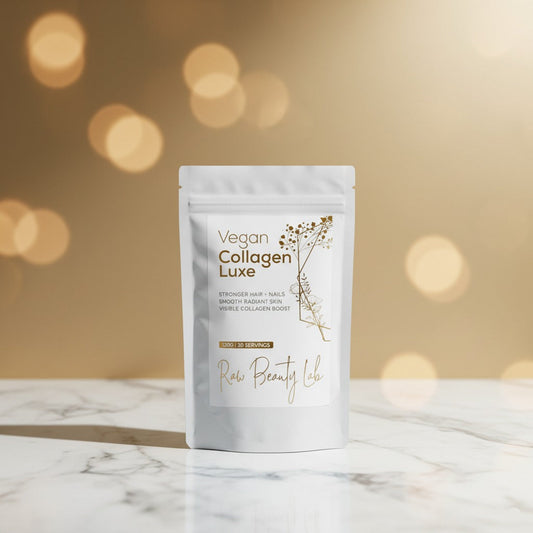
Peptides work like a pep talk for aging skin, turning fine lines into faint memories. Found in Vegan Collagen - Luxe, these potent peptides are perfect for those aiming to preserve youthfulness in their skin routine.
Adaptogens: The Stress-Busters of Skincare
In the chaos of modern life, adaptogens for skin are the calm within the storm. Natural, vegan-friendly beauties like ashwagandha and reishi mushroom work in harmony to combat stress—the ultimate enemy of balanced skin.
Skin-Calming Benefits
Adding adaptogens to your skincare routine can leave your complexion balanced and serene, even when life throws lemons your way.
A Final Note
At the end of our skincare investigation, the truth remains that both vegan skincare actives and synthetic ingredients have their unique advantages. Whether your skin dances in delight with nature's offerings or thrives under scientifically crafted formulations, there's always a path to healthy, glowing skin. The choice is yours—full of potential and promise.
For more vegan skincare insights and powerhouse products, visit Raw Beauty Lab, where beauty meets botanical brilliance.
By maintaining a friendly, informative tone, this piece explores the benefits of various skincare ingredients, helping readers understand their options for achieving healthy, radiant skin.