
Table of contents
Aging is a beautiful process, but we all want to make sure our skin carries the wisdom of those years gracefully. When it comes to maintaining that youthful glow, you might be wondering whether to go for peptides or retinol. Both are impressive powerhouses in the skincare world, but which one aligns with your skin’s aging needs?
Let’s dive into the science of skincare and explore which of these ingredients can help you achieve firm, radiant, and healthy-looking skin.
The Magic of Peptides for Aging Skin
What Are Peptides?
Peptides are like the building blocks of proteins essential for the skin, particularly collagen and elastin. If you think of these proteins as a chain, peptides are the tiny segments of that chain. They signal the skin to get its act together and start producing more collagen, making them fantastic for firmness.
How Do Peptides Work?
When applied to the skin, peptides act as communicators, mimicking the body's natural signals and telling it to boost collagen production. The result? Tighter, more resilient skin that looks and feels rejuvenated.
Science-Backed Benefits
Numerous studies have backed peptides for their ability to reduce the depth of wrinkles, improve skin texture, and even out the complexion. One study published in the International Journal of Molecular Sciences highlighted their effectiveness in diminishing visible signs of aging. Say hello to youthful, glowing skin!
Product Match

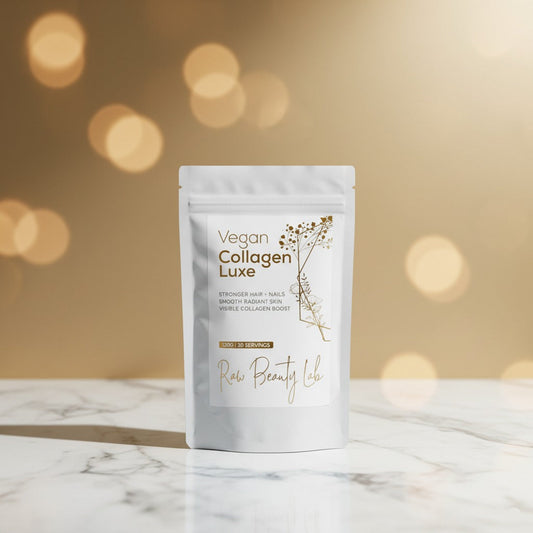
If you’re excited about incorporating peptides into your routine, look no further than Vegan Collagen - Luxe. It's packed with vegan-friendly actives that play perfectly with peptides to support hydration and skin elasticity.
Retinol: The Classic Anti-Aging Warrior
What Is Retinol?
Retinol, a derivative of vitamin A, is the go-to ingredient touted for its anti-aging properties. It's known for its potency in accelerating cell turnover and unveiling fresher, healthier skin underneath.
How Retinol Works
Retinol works by promoting cell turnover and encouraging the shedding of old, dull skin cells. It paves the way for new, fresh cells, thereby improving the appearance of fine lines, wrinkles, and hyperpigmentation.
Science-Backed Benefits
Backed by science, retinol is celebrated for its proven track record. The Journal of Clinical and Aesthetic Dermatology states that retinol improves skin firmness and smoothness while helping diminish the appearance of fine lines and wrinkles.
Natural Retinol Alternatives
While retinol is effective, it can be irritating for some, especially those with sensitive skin. Enter natural retinol alternatives, like bakuchiol – a plant-based option that mimics retinol's benefits without causing irritation. It’s a gentle alternative that’s perfect for those seeking a kinder approach to anti-aging.
The Supporting Cast: Vitamin C, Hyaluronic Acid, and Vegan Skincare Actives
While peptides and retinol are the superstars, other ingredients can significantly enhance your skincare routine's effectiveness.
Vitamin C Skin Benefits
Vitamin C is a powerful antioxidant that protects the skin against free radicals, brightens the complexion, and helps in collagen synthesis. It complements both peptides and retinol by offering a glow-enhancing benefit for your skin.
Hyaluronic Acid vs Glycerin
Hydration is key to maintaining a youthful look. Hyaluronic acid is the superstar for instilling moisture, capable of holding 1000 times its weight in water. Glycerin, on the other hand, is a bit more multifaceted. It not only draws moisture from the air but also from the deeper layers of your skin. Both ingredients help keep the skin plump and healthy, but hyaluronic acid is your go-to for direct moisture infusion.
Vegan Skincare Actives
Embrace sustainability with vegan skincare actives! These ingredients deliver effective results without compromising on ethical standards. Embracing vegan products supports barrier strengthening, promotes hydration and resilience, all while being kind to animals and the environment.
Adaptogens for Skin
Adaptogens have been buzzworthy in both health and beauty. Known for their stress-combatting properties, skincare adaptogens help reduce signs of fatigue on the skin. When integrated into a skincare routine, adaptogens work wonders in managing environmental stressors, ensuring your skin remains calm and balanced.
Conclusion: Peptides or Retinol?
Choosing between peptides and retinol can depend on your unique skincare needs. Peptides are perfect for those looking for an incremental approach, keen on firmness and collagen support. Retinol is best for those ready for a more intensive rejuvenation.
Get the best of both worlds by combining these ingredients thoughtfully in your skincare routine. Also, remember those star players like vitamin C, hyaluronic acid, glycerin, and vegan-friendly actives that enhance and supplement the effects of your chosen anti-aging warrior.
For more tips on glowing, healthy skin, and to explore our vegan skincare offerings, visit Raw Beauty Lab.
Remember, aging is a privilege, and caring for your skin along the journey can make the process as radiant as you are. Cheers to happy, healthy skin!