
Table of contents
In the ever-evolving world of skincare, where clean beauty dominates, the quest for transparency can sometimes feel like peeling back layers of an onion. Yet, amidst the buzzwords and marketing jargon, how do we separate fact from fiction? This piece aims to untangle some common clean beauty myths, shed light on ingredient safety, and reveal the stark truth behind non-toxic skincare. Welcome to the enlightening journey of uncovering what some clean beauty brands might not be telling you.
The Alluring World of Clean Beauty
Clean beauty has become the golden standard in skincare, a movement championed for its promise of being safer, ethically-conscious, and environmentally friendly. However, like many things that capture our collective imagination, clean beauty is not without its pitfalls. A prominent issue is greenwashing—a practice where brands make exaggerated or misleading claims about how environmentally sound their products are. This often leads to customer confusion, leaving consumers bewildered about what "clean" truly means.
At the heart of these misconceptions is ingredient safety. Many assume anything labeled as "natural" is safe, while chemicals are inherently bad. However, as skincare experts often point out, the toxicity of a substance is determined by its dosage, not its origin. For instance, water, present in all life forms and beauty products, can be damaging in excessive amounts.
Demystifying Ingredient Lists
Let's dive deeper into understanding the ingredient lists that can sometimes look like scientific hieroglyphics. Terms such as "non-toxic skincare" have been widely adopted by brands to imply safety, yet this term isn't regulated, often leaving its meaning ambiguous. It’s crucial for consumers to be well-versed in reading labels and understanding what the components in their products entail, rather than relying solely on marketing phrases.
According to a study by the Environmental Working Group, a non-profit organisation specialising in research and advocacy in the areas of agricultural subsidies, toxic chemicals, and corporate accountability, only about 11% of the 10,500 chemicals used in the personal care industry have been evaluated for safety. This statistic underscores the need for brands to disclose information about ingredient safety clearly.
The Vegan Collagen Revolution

Enter vegan collagen, a ground-breaking addition to the clean beauty landscape. Traditional collagen is sourced from animals, which raises ethical concerns for many consumers. A clean and cruelty-free alternative, vegan collagen, is crafted using innovative biotechnology, acting as a beacon of hope for those wanting to maintain youthful skin without compromising their values.
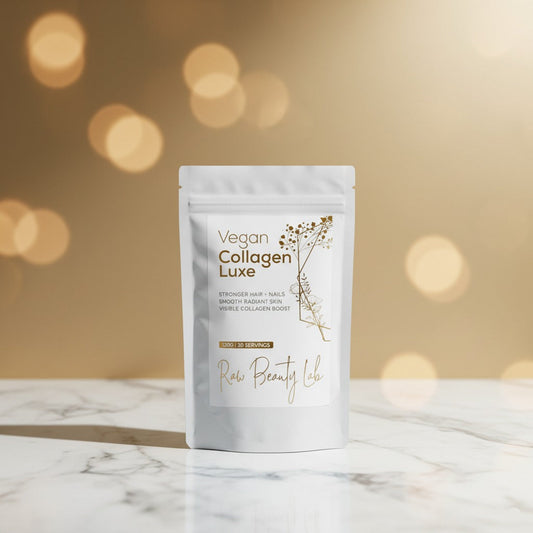
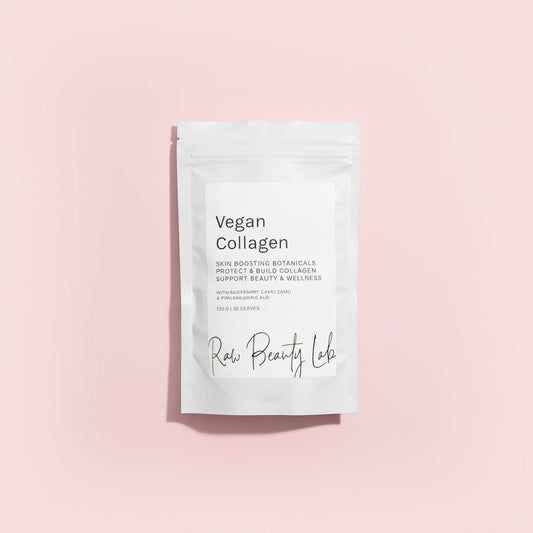
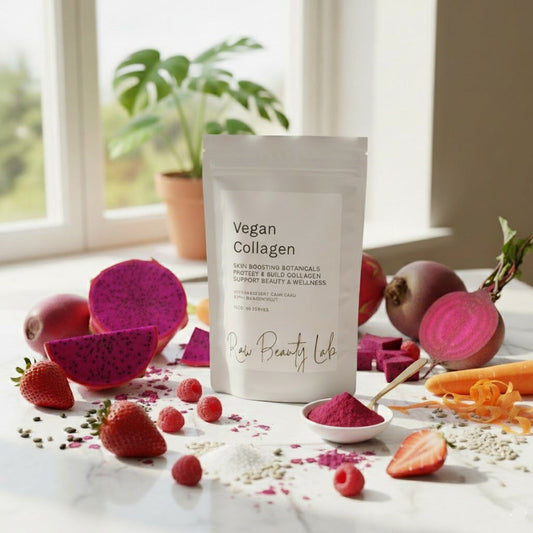
Raw Beauty Lab, for instance, is a pioneer in this domain, offering their Vegan Collagen - Luxe that's not only free from animal derivatives but also crafted with love and integrity. This product harnesses the power of plant-based ingredients to support skin's elasticity and firmness, embodying the essence of transparency and efficacy that genuinely "clean" beauty should aspire to.
Unmasking Greenwashing
The clean beauty industry, though well-intentioned, has been a fertile ground for greenwashing. Take note, when a product claims to be "all-natural," it's essential to remember that poison ivy is natural too—clearly, not everything from nature is beneficial for our skin.
Being an informed consumer means looking beyond the attractive eco-friendly labels and digging into the "why" and "how" of a product's formulation. It’s about demanding authenticity—are these products doing what they claim, and do they hold up under scrutiny?
Why Ingredient Safety is Paramount
Historically, beauty has not been exempt from adverse effects due to inadequately tested products. We've come a long way from times when lead and mercury were prevalent in cosmetics, but the importance of ingredient safety is just as crucial today. As enthusiasts of skincare, understanding how elements like parabens, sulfates, and synthetic fragrances may affect our skin and overall health is critical.
Raw Beauty Lab’s steadfast commitment to safety and quality is a testament to their dedication. They uphold stringent standards in their production processes, ensuring their offerings align with the ethos of honesty, close attention to ingredient efficacy, and sustainability. It's this distinction that sets them apart—honest beauty uncompromised.
Unveiling Skincare Truth
For the discerning consumer, separating clean beauty myths from skincare truth involves more than superficial reading. Engage with brands, ask questions, and seek evidence. Companies that are genuinely committed to clean beauty will provide documented proof of their claims.
Raw Beauty Lab exemplifies this ideal with their thorough resources and clear labeling practices, thus helping to demystify the often cloudy world of skincare ingredients. By doing so, they empower their clientele to make informed decisions confidently.
Supporting Transparency
Ultimately, the conversation around clean beauty and ingredient safety should be rooted in trust and transparency. It is essential for brands and consumers to engage in open dialogue to foster trust. Education is pivotal—because knowing exactly what's in your products shouldn't be a mystery; it should be your right.
As we wrap up our exploration of what clean beauty brands sometimes conceal, it's evident that the label "clean" should hold brands to a higher standard of openness and performance. Raw Beauty Lab continues to champion this better path to beauty. Through innovative practices and a dedication to genuine transparency, they are reshaping the landscape of cleaner, safer skincare.
Explore more about their transformative journey in skincare at Raw Beauty Lab and join the conversation about advocating for real, unblemished beauty.
In a world teeming with blends of the barefaced and the opaque, it's time to unveil the whole picture. What's on your skin is your choice, and with the right tools and information, you can make that choice confidently.