
Table of contents
In the ever-evolving world of skincare, Vitamin C and Retinol are the two mega-stars that often steal the spotlight. With a variety of skincare solutions flooding the market, it's easy to get lost in a maze of active ingredients. But let's break it down and explore what makes Vitamin C a standout, why it’s being compared to Retinol, and how it fits into your pursuit of radiant, healthy skin.
The Radiant Benefits of Vitamin C for Skin
When it comes to maintaining glowing and balanced skin, Vitamin C is the undisputed champion. Known for its stellar ability to brighten skin, this antioxidant superhero also boosts collagen production, reduces the appearance of fine lines, and provides protection against sun damage. Research consistently shows its potent anti-aging benefits and its ability to combat oxidative stress caused by free radicals. Dr. Param Singh, a dermatologist and skincare researcher, stated in a 2020 study that Vitamin C can rejuvenate photodamaged skin by as much as 73%.
Why Does Your Skin Love Vitamin C?

- Brightening Effect: Vitamin C acts like a booster shot for your skin’s brightness. It reduces hyperpigmentation and evens out skin tone, giving you that lit-from-within glow every beauty enthusiast dreams of.
- Wrinkle Fighter: By promoting collagen synthesis, Vitamin C helps in maintaining skin firmness, effectively minimizing the appearance of fine lines and wrinkles.
- Defender Against Damage: It works as a protective shield, defending skin against environmental aggressors like pollution and sunlight, which are often the culprits behind sagging and aged skin.
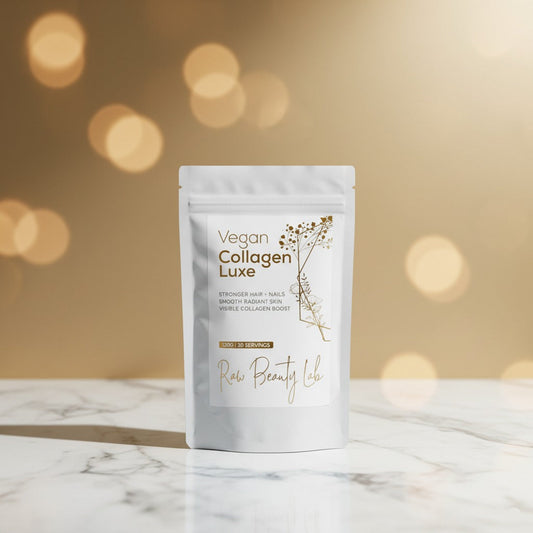
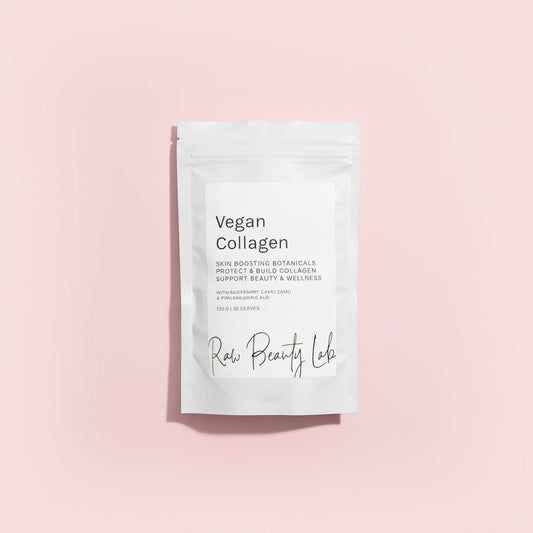
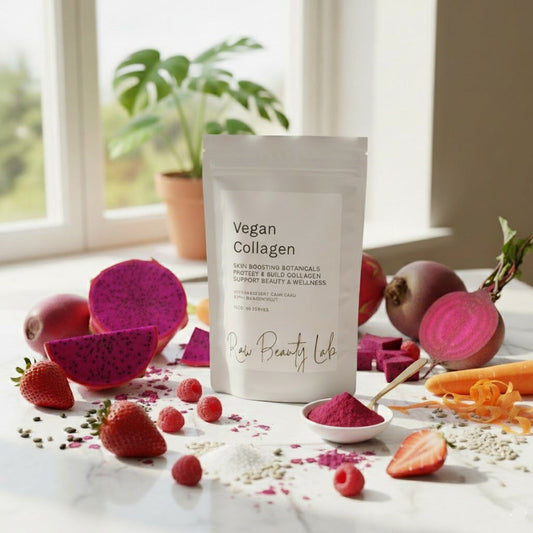
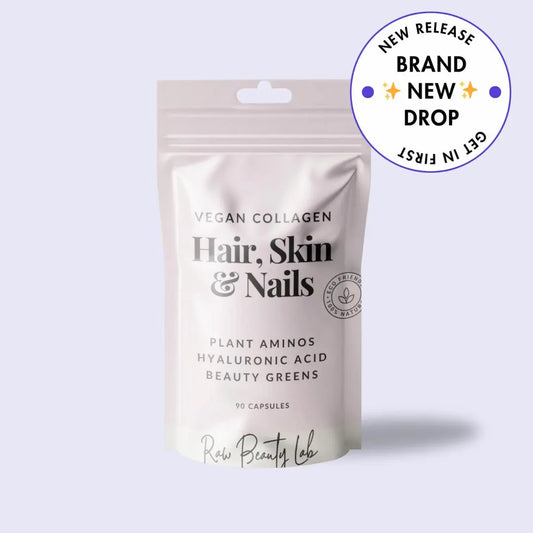
For those who appreciate the natural and vegan approach to skincare, Raw Beauty Lab's Vegan Collagen is a noteworthy inclusion to your routine. Check it out here for a plant-based way to support your skin from within.
The Showdown: Vitamin C vs. Retinol Alternatives
Vitamin C is frequently compared to Retinol, the much-lauded anti-aging ingredient. While Retinol is known for increasing cell turnover and smoothing skin texture, it can be harsh and irritating for sensitive skin. This has led the skincare savvy to seek out gentler, natural retinol alternatives like plant-based peptides and Bakuchiol.
Peptides for Aging Skin
Peptides—the building blocks of proteins like collagen and elastin—are incredible for skin regeneration. They signal your skin to produce more collagen, which helps in firming the skin and reducing wrinkles without the irritation that Retinol might cause.
Hyaluronic Acid vs. Glycerin: The Moisture Masters
When it comes to hydration, the battle often boils down to hyaluronic acid vs glycerin. Both are humectants, meaning they draw moisture into the skin, but how do they differ?
- Hyaluronic Acid: Known for holding up to 1,000 times its weight in water, this hydrating hero offers plump, supple skin that's hydrated and smooth.
- Glycerin: This underrated gem absorbs quickly, making it ideal for all skin types. It helps in maintaining the skin’s barrier function, keeping moisture locked in.
While both ingredients play critical roles in keeping your skin hydrated and dewy, incorporating either (or both!) can ensure that your skin stays as bouncy and healthy as a freshly watered plant.
The Rise of Vegan Skincare Actives
In the quest for glowing skin, incorporating vegan skincare actives is not just a trend but a commitment to a sustainable and ethical beauty regimen. Vegan products are often enriched with natural actives that are gentle yet effective, aligning perfectly with the growing demand for clean beauty.
Calm and Balance: Adaptogens for Skin
Adaptogens, known for their stress-relieving properties, have made their way into the skincare world, and with good reason. They help maintain skin balance by reducing stress-related changes in the skin, such as redness and irritation. These plant-based wonders like Ashwagandha and Rhodiola Rosea are known to soothe and nourish, boosting your skin’s resilience against day-to-day environmental stressors.
Conclusion: Should You Choose Vitamin C?
While the choice between Vitamin C, Retinol alternatives, and other actives can seem daunting, it ultimately comes down to your skin’s individual needs. Vitamin C is a versatile ingredient loved for its protective, brightening, and collagen-boosting powers. It delivers visible results, making it a superb choice whether used alone or alongside other vegan-friendly ingredients.
Remember, maintaining healthy and balanced skin is a journey. Trust the process, embrace natural and science-backed ingredients, and don’t forget to smile—after all, that's your best accessory.
For more insights and natural beauty solutions, explore the world of ethical skincare at Raw Beauty Lab.