
Table of contents
In the vast universe of skincare ingredients, two giants often emerge in the battle for optimum hydration: hyaluronic acid and glycerin. Both are celebrated for their moisture-boosting properties, but which one truly triumphs when it comes to achieving that elusive, stunningly glowy, balanced skin? Today, we're pitting these two against each other in a friendly yet fierce comparison, breaking down the science in simple terms for a clear-headed approach to hydrating your skin.
Hyaluronic Acid: The Moisture Magnet
Hyaluronic acid (HA) might sound like something you'd rather avoid (acid?), but don't let its name fool you. This superstar ingredient is a naturally occurring substance in your body and is renowned for its impressive capacity to attract and hold onto water—up to 1,000 times its weight, according to research! Think of HA as a giant sponge that lifts moisture from the air and traps it under your skin, keeping it plump and hydrated.
A study published in Dermatologic Therapy showed that applying HA directly to the skin could help reduce the appearance of wrinkles and improve skin elasticity. By doing so, it can confer a fresh, dewy sheen that screams healthy and hydrated.
Why Choose Hyaluronic Acid?

If your skin feels as parched as the Sahara or appears lackluster and dull, HA could be your go-to. In combination with other ingredients like vitamin C (which has its own skin benefits of brightening and restoring), HA's efficacy can be supercharged, resulting in gleamingly youthful skin.
However, keep in mind that for full efficacy, hyaluronic acid often relies on the presence of external moisture. So, if you're living in a particularly arid environment, it might need a little help from a trusty humidifier or another hydrating product.
Glycerin: The Humble Hydrator
On the other side of the ring, we have glycerin. If hyaluronic acid is the flashy showstopper, glycerin is the underdog with undeniable prowess. It, too, is a humectant, meaning it draws moisture to the skin. But where glycerin shines is its simplicity and compatibility with all skin types, including the most sensitive.
A study in the British Journal of Dermatology highlighted that glycerin helps strengthen the skin's barrier, protecting it from environmental aggressors and preventing moisture loss. It sinks in effortlessly, providing that just-right level of hydration without feeling sticky or heavy.
Why Choose Glycerin?
For those with sensitive skin or looking for a budget-friendly hydration hero, glycerin fits the bill. It pairs well with a variety of vegan skincare actives, bringing back that vibrant glow and maintaining a balanced complexion.
The Verdict: Hyaluronic Acid vs Glycerin
So, which one should take a prized place in your skincare routine? It depends on your skin type and concerns. Hyaluronic acid is a fantastic option if you're dealing with severe dehydration and need intense moisture-locking action, especially when paired with peptides for aging skin. Meanwhile, glycerin is unbeatable for consistent, everyday hydration and works beautifully in synergy with other ingredients like natural retinol alternatives or adaptogens for skin to enhance its resilience and health.
Embrace Both in a Balanced Routine
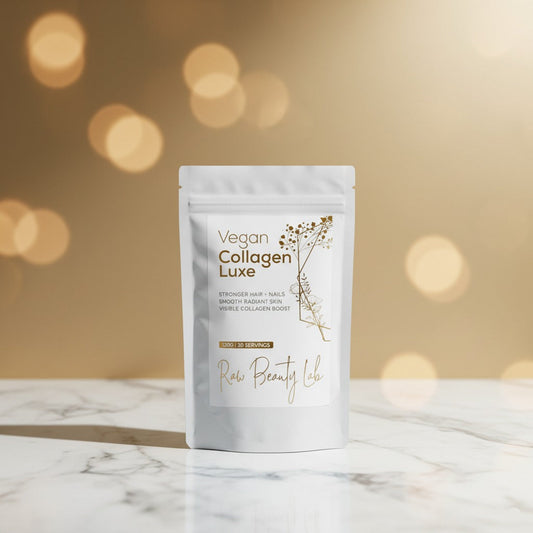
For those of us who refuse to choose, the beauty of skincare is in its flexibility. Incorporating both ingredients into your routine can ensure that you're maximizing their benefits. Use them at different times, or find a product that combines their powers, like the Vegan Collagen - Luxe, which enriches the skin with multilayered hydration and fortifies it for long-term glowing health.
In Conclusion
The hydration heavyweight title match sees no clear winner—both hyaluronic acid and glycerin offer impressive benefits. Recognizing their distinctive actions and how they can be tailored to fit your particular skin needs is key. Ready to quench your skin's thirst? Dive into our range of vegan skincare actives and give your skin the love it deserves.
Because when it comes to achieving truly glowing, balanced, and healthy skin, why not celebrate the strengths of both?