
Table of contents
In the beauty world where everyone seems to be chasing that glowing, balanced, and healthy skin, retinol often stands at center stage. However, not everyone can use retinol without experiencing irritation or other side effects. For those who prefer a kinder, gentler approach to skincare, natural retinol alternatives are worth considering. Let’s dive into some science-backed alternatives that promise to bring back your skin’s youthful radiance—and no, you don't need a PhD to understand them.
The Hype Around Natural Retinol Alternatives
Retinol, derived from vitamin A, is a darling in anti-aging skincare for its ability to enhance skin cell turnover and collagen production. But what if you could get similar benefits without the associated redness and peeling? Enter natural retinol alternatives like bakuchiol, rosehip oil, and carrot seed oil. These ingredients have been garnering attention, especially in the realm of vegan skincare actives. They're gentle on the skin and rich in antioxidants, vitamins, and fatty acids.
Bakuchiol: Nature’s Answer to Retinol
Bakuchiol, extracted from the seeds of the Psoralea corylifolia plant, has shown promising results as a natural retinol substitute. According to a 2018 study published in the British Journal of Dermatology, bakuchiol performs similarly to retinol in reducing wrinkles and hyperpigmentation but with better skin tolerance. It’s a win-win for those with sensitive skin aiming to reduce the signs of aging without the drama.
Rosehip Oil: The Glow Getters
Rosehip oil is packed with skin-loving vitamins and essential fatty acids. This natural retinol alternative is rich in vitamin A, making it a powerful ally in improving skin texture and tone. A small randomized study published in 2015 in the Journal of Cosmetic Dermatology highlighted rosehip's effectiveness in enhancing overall skin moisturization and elasticity.
The Role of Vitamin C: Brightening Basics
No skincare conversation is complete without mentioning the powerful vitamin C skin benefits. This brightening superstar reduces dark spots and boosts collagen production. A study in the Journal of Clinical and Aesthetic Dermatology found that vitamin C can improve the appearance and firmness of the skin after just 12 weeks of use. Pairing vitamin C with natural retinol alternatives could amplify your glow game.
Hydration Ingredients: Hyaluronic Acid vs. Glycerin
Let's clear up the debate between hyaluronic acid vs glycerin. Both are humectants that draw moisture into the skin, but they have different benefits. Hyaluronic acid, which can hold up to 1000 times its weight in water, is often best for those needing intensive hydration. Glycerin, on the other hand, is a smaller molecule that penetrates deeper, providing lasting moisture without heaviness. So, choose depending on your skin's thirst level!
Peptides for Aging Skin

Peptides are short chains of amino acids that serve as the building blocks of proteins like collagen and elastin. As we age, collagen breaks down—cruel but true—and peptides signal the skin to make more. According to research published in the International Journal of Molecular Sciences, peptides improve skin barrier function and overall texture, making them indispensable in an anti-aging regimen. They blend perfectly with natural retinol alternatives, enhancing their benefits without overpowering your skin.
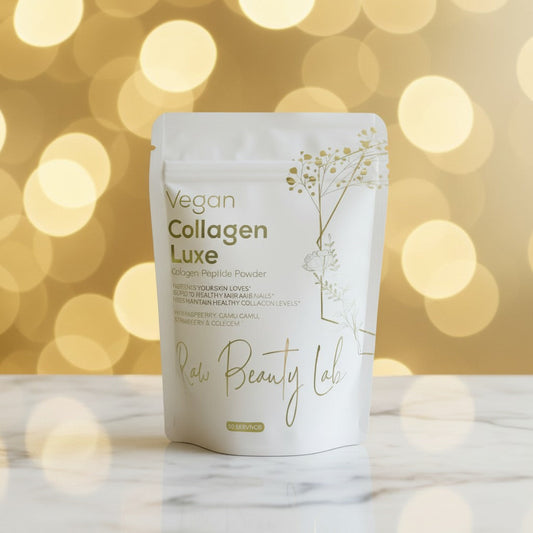
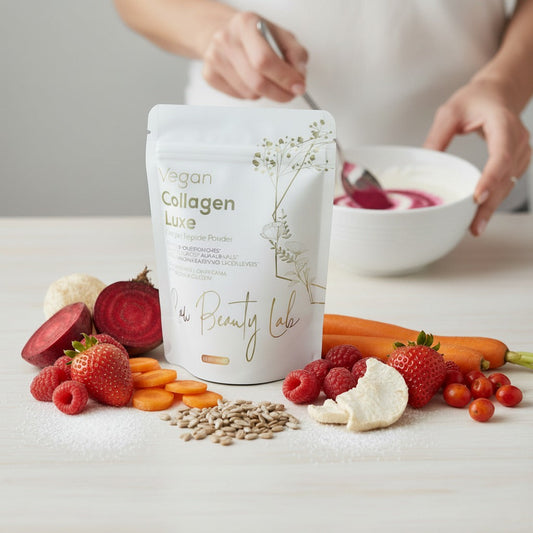
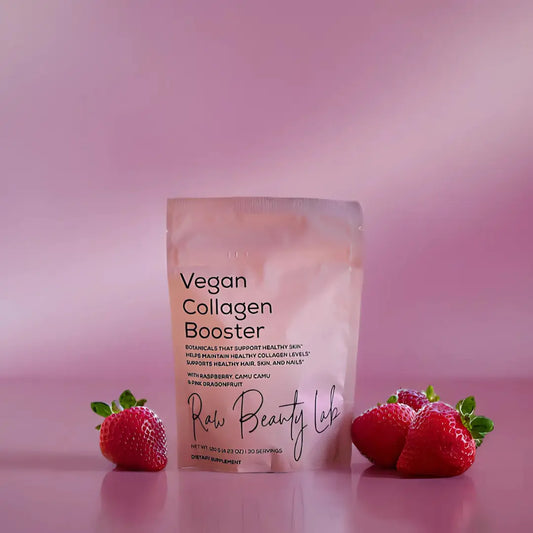
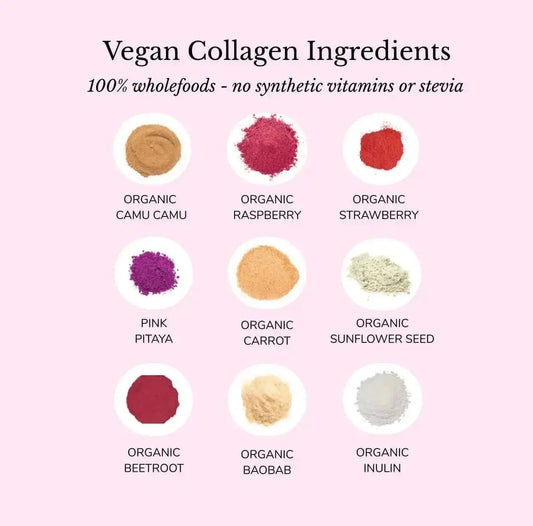
Perhaps consider Vegan Collagen - Luxe for an added boost, which includes peptides designed for aging skin.
Adaptogens for Skin: Stress-Busters in a Bottle
Adaptogens like ashwagandha, rhodiola, and ginseng aren’t just for your morning smoothie. These powerhouse plants help the skin resist stressors, environmental or otherwise, that can age and dull the skin. Adaptogens work from the inside out, calming inflammation and boosting resilience, much like yoga for your skin.
Conclusion: Your Skin, Your Rules
In the quest for healthy, glowing skin, natural retinol alternatives hold considerable promise. From bakuchiol to vitamin C, hyaluronic acid, and peptides, integrating these ingredients into your routine can help you achieve the skin of your dreams minus any unwelcome side effects. Don't forget to check out Raw Beauty Lab for more vegan skincare options.
Navigating the world of skincare doesn't have to be as tricky as it seems. With the right mix of nature's alternatives, you’ll be well on your way to achieving the radiant, balanced skin you've been dreaming of. Cheers to your skincare victories!