
Table of contents
In the ever-evolving world of skincare, two ingredients continue to spark vibrant discussions among beauty aficionados: Vitamin C and Peptides. Both lauded for their anti-aging prowess, these ingredients often leave skincare enthusiasts pondering which one might top the other's benefits. Let’s delve into this debate and explore which ingredient holds the secret elixir for glowing, youthful skin.
Vitamin C: A Burst of Radiance
Vitamin C, the darling of the skincare community, is renowned for its ability to brighten skin and combat the signs of aging. This powerhouse antioxidant aids in neutralizing free radicals, thereby reducing oxidative stress—the silent ager conspiring against your youthful glow. A study published in Dermatologic Surgery highlights that Vitamin C can enhance the appearance of aging skin. It stimulates collagen production, resulting in firmer, plumper skin [^1^].
Vitamin C skin benefits are numerous: from fading hyperpigmentation to smoothing fine lines, it's no wonder this ingredient is a staple in many skincare regimens. Not just for your morning orange juice, vitamin C can be a game-changer when it comes to replicating that dewy freshness we often admire.
Peptides: The Building Blocks for Suppleness
While Vitamin C acts like a brave knight shielding your skin, peptides work as the master architects, diligently crafting and maintaining the skin's structure. Composed of amino acids, peptides essentially function as messengers, instructing skin cells to perform specific functions—most notably, the production of collagen and elastin.
For those exploring peptides for aging skin, the benefits can be transformative. Peptides nourish the skin, reducing the appearance of both wrinkles and fine lines. Some studies suggest that consistent use of peptide-infused products can lead to visibly firmer skin in as little as two weeks [^2^]. Intriguingly, these protein fragments are not just effective but also gentle on the skin, making them ideal for sensitive types.
The Natural Retinol Alternatives
For those wary of traditional retinoids and their sometimes irksome side effects, natural retinol alternatives, like bakuchiol, offer a gentler approach to cellular renewal. Adaptogens for skin like ginseng and ashwagandha also support stress-resilient skin, adding a holistic edge to your beauty arsenal.
Hyaluronic Acid vs Glycerin: The Hydration Duel
Before crowning the victor between Vitamin C and peptides, it’s worthy to mention hydration superheroes: hyaluronic acid and glycerin. Both revered for their moisture-binding abilities, they keep skin plump and glowing. While hyaluronic acid can hold up to 1000 times its weight in water, glycerin is a humectant that attracts moisture from the environment. Each offers unique benefits; when aptly combined, they ensure your skin is a dewy morning meadow, ready to face the day.
The Verdict: Vitamin C or Peptides for Anti-Aging?

So, which should you choose for anti-aging supremacy? The answer lies not in 'either-or' but rather in synergy. Vitamin C excels at protecting and brightening, while peptides excel in rebuilding and firming. Incorporating both into your skincare routine can offer comprehensive benefits for more balanced, vibrant skin.
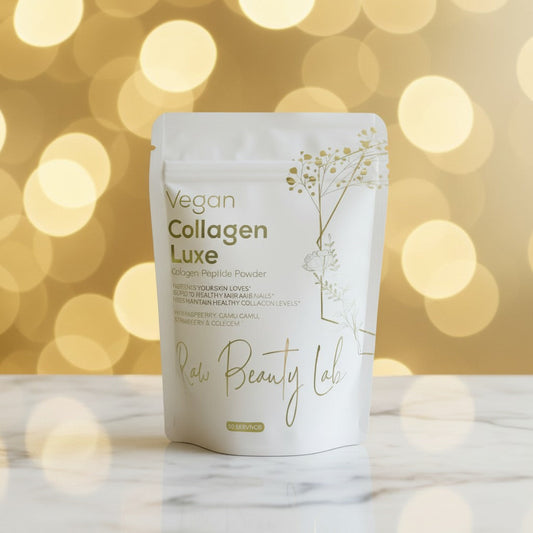
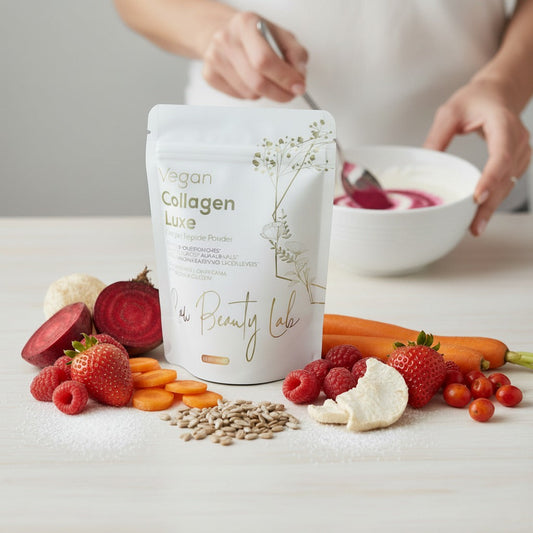
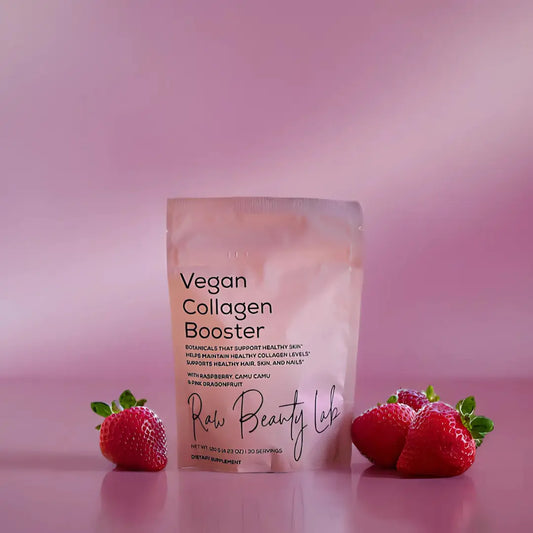
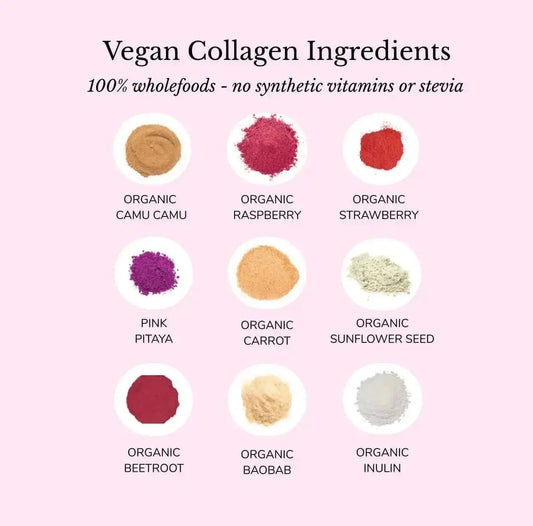
For those pursuing a contemporary yet efficacious skincare routine, vegan skincare actives provide cruelty-free options for radiant skin. Our Vegan Collagen - Luxe embodies this commitment, blending plant-powered ingredients to elevate your skincare experience.
Ready to transform your skin using science-backed beauty? Discover more about maintaining a radiant complexion by visiting Raw Beauty Lab.
References:
[^1^]: Farris, P. K., et al. Dermatologic Surgery. The Science Behind Vitamin C’s Skin Benefits.[^2^]: Lintner, K., et al. Peptides in Cosmetics: An Overview. International Journal of Cosmetic Science.
Please visit Raw Beauty Lab for more innovative skincare solutions.