
Table of contents
In the ever-expanding world of skincare, it can be difficult to navigate through the myriad of choices available. With a focus on achieving luminous, glowing skin, two major lanes are capturing attention: natural retinol alternatives and vegan skincare actives. But which one truly reigns supreme for healthy skin? Let's break it down, shall we?
The Glow-Getter That is Vitamin C
Let's start with a darling of the skincare world – Vitamin C. Known for its ability to brighten skin and boost collagen production, vitamin C benefits are plentiful. Think of it as your skin’s personal sunrise on a cloudy day. Research has shown its effectiveness in treating uneven skin tone, brightening your complexion, and even helping to fade the appearance of fine lines (source).
Adding a vitamin C product to your routine is like gifting your skin its daily dose of sunshine. But when navigating through the options, ensure you're selecting a stable formula to get the most bang for your buck.
Natural Retinol Alternatives: A Gentle Spin on an Old Favorite
While retinol is a tried-and-true solution for many, its natural counterparts, like bakuchiol, are making waves. These natural retinol alternatives mimic the effects of retinol but are often gentler on the skin – perfect for those with more sensitive complexions.
Bakuchiol, for instance, has been shown in studies to have similar abilities to retinol in treating fine lines and pigmentation but without the irritation (source). So, if your skin experiences redness and peeling from traditional retinol, these might be your new best friends.
Hyaluronic Acid vs Glycerin: The Great Debate
Now, let's pivot to hydration, the cornerstone of any great skincare regimen. The unsung heroes? Hyaluronic acid and glycerin. Both are stellar at drawing moisture into the skin. Hyaluronic acid is like the popular kid on the block; it's known for holding up to 1000 times its weight in water, giving your skin that plump, youthful appearance.
On the flip side, glycerin, often overshadowed, does a fantastic job too. It's a humble hydrator, locking in moisture, leaving your skin soft and supple. The choice here doesn't have to be divisive – incorporating both can leave your skin as hydrated as a well-watered plant.
Peptides for Aging Skin: The Strong, Silent Type

Enter peptides, the muscle behind the scenes. These tiny proteins are like power lifters for your face, helping to build the proteins collagen and elastin, which start to wane as we age. Incorporating peptides into your skincare routine can result in firmer, smoother skin. A study shows that peptides can significantly improve skin elasticity and reduce the depth of wrinkles (source).
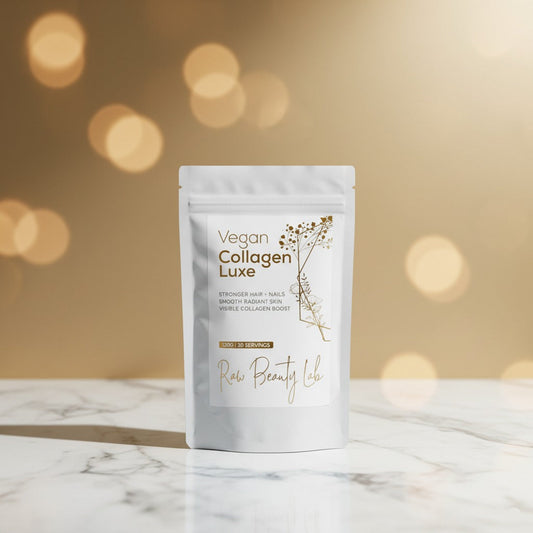
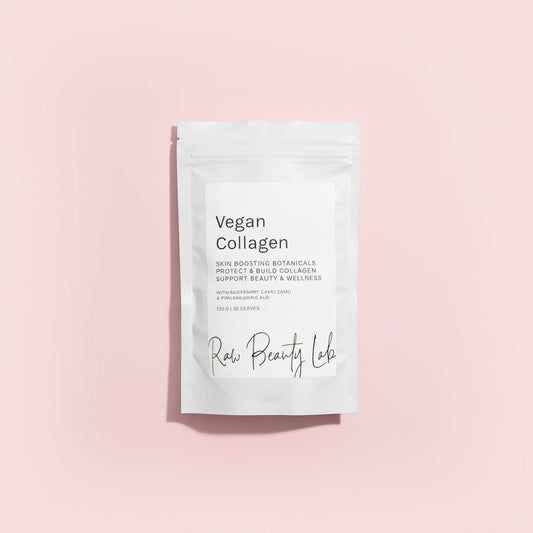
For those beginning their anti-aging journey, they serve as a formidable yet gentle ally. For an effective, peptide-packed solution, don’t miss out on the Vegan Collagen - Luxe.
Adaptogens for Skin: Nature's Answer to Stress
Stress, meet your new nemeses: Adaptogens. Used for centuries in herbal medicine, adaptogens help your skin adapt to stressors while supporting a healthy balance. Adaptogens such as ashwagandha and reishi can calm sensitive skin and protect against environmental damage, leading to a healthier, more balanced complexion (source).
Incorporating adaptogens into your skincare regime could mean your skin is more resilient against stress-induced breakouts and inflammation. Talk about having zen-like skin!
Final Thoughts
As you venture forth into the land of skincare, remember that understanding your unique needs is key. Whether you're all about vegan skincare actives or leaning into the science of natural retinol alternatives, both paths can lead to glowing, balanced, and healthy skin. And after all, isn’t achieving that natural glow we all crave just what skincare dreams are made of?
Stay fabulous and keep glowing. For more insights and products that align with your skincare goals, check out Raw Beauty Lab.
We've filled you in on the science, now the choice is yours.