
Table of contents
Aging is the inevitable price of admission to this thing we call life. But let's face it—with each birthday, as desirable as cake and candles are, many of us would rather wave off the fine lines and sunspots that slowly creep up. If you're on a quest to age gracefully, you're probably exploring the vast world of skincare actives. Let's dive into one of the most adored ingredients in the beauty aisle: Vitamin C.
Vitamin C Skin Benefits: Your Age-Defying Friend
Vitamin C is as much a staple in skincare as your morning coffee is in the daily grind. Known for its powerful antioxidant properties, this delightful vitamin doesn't just boost your immune system—it's a champion for your skin too! According to research 1, topical Vitamin C can improve the appearance of wrinkles, fine lines, and pigmentation issues. It works by neutralizing free radicals (which are as pesky as ever) and promoting collagen synthesis, leading to firmer, smoother skin.
For those looking to avoid long-lasting intimacy with wrinkles and age spots, incorporating a Vitamin C serum into your routine might just be your new skin love story. Want healthier, more balanced skin that glows like the morning sun? Vitamin C might be the illuminating hero you need.
A Skincare Showdown: Hyaluronic Acid vs Glycerin
While Vitamin C takes center stage, another battle rages in the skincare kingdom: Hyaluronic Acid vs. Glycerin. Both are touted as hydration powerhouses, but which is more deserving of shelf space in your bathroom?
Hyaluronic Acid is the popular cheerleader, attracting and retaining a thousand times its weight in water. If plump, dewy skin is your goal, this is your ticket. On the other hand, glycerin is the laid-back underdog, working diligently as a humectant to keep skin soft and hydrated. It's a humble worker bee that does wonders for balancing moisture levels.
But, let's be real—why not both? They each bring their unique moves to the dance floor of skincare, promising to help you achieve supple, balanced skin.
Exploring Natural Retinol Alternatives for Gentle Care
Retinol is the golden child of anti-aging, notorious for its unrivaled ability to stimulate collagen production and cell turnover. Yet, its intensity can be a bit much for sensitive skin folk. Enter: natural retinol alternatives.
Bakuchiol, derived from the babchi plant, is currently stealing the limelight as a gentle yet effective retinol alternative. It's anti-inflammatory and has been shown 2 to offer similar skin-aging benefits without the irritation retinol can bring. Including this plant-based hero in your skincare routine can lead to smoother, more even-toned skin sans the redness.
Peptides for Aging Skin: Small, But Mighty
These tiny building blocks of proteins are turning heads with their superpower abilities. Peptides signal your skin to produce more collagen and elastin, essential components for keeping your skin as firm as a drum. According to multiple studies, peptides can improve skin texture and reduce signs of aging. It's as if peptides send little text messages to your skin cells saying, "Hey, it's time to party!" Your skin responds with a glow that radiates confidence.
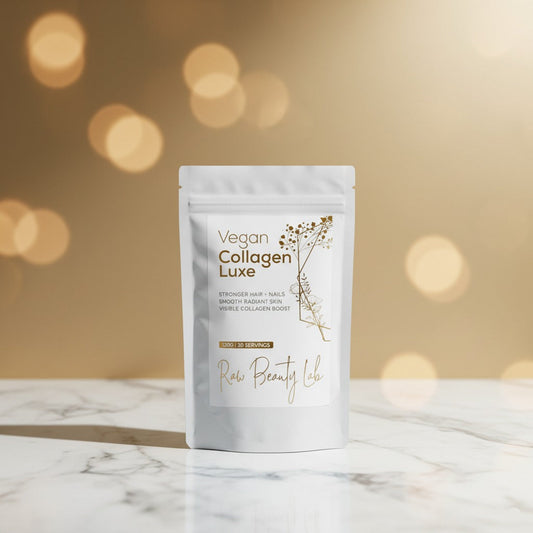
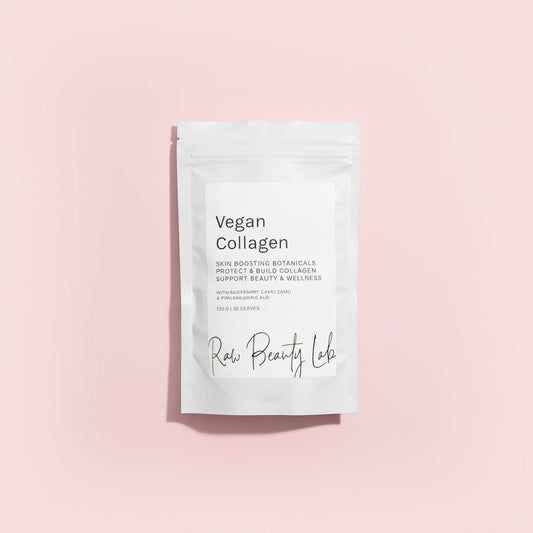
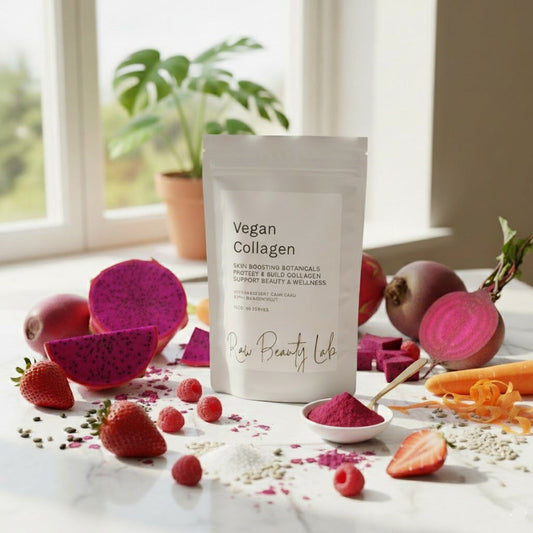
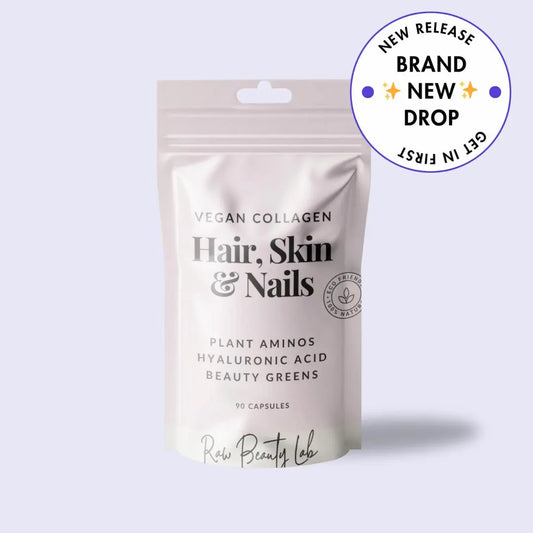
Curious about a vegan-friendly skincare option that encourages collagen production without any animal-derived ingredients? Vegan Collagen - Luxe from Raw Beauty Lab may be just what your skincare lineup needs.
Vegan Skincare Actives: Because Nature Knows Best
Why go vegan in skincare? The benefits are as abundant as a blooming meadow. Plant-based actives are celebrated for their gentle, effective ways. They bring a kind of harmony to your skin, much like a yoga retreat in Bali. Whether it's the soothing hydration of aloe vera or the balancing act of sea buckthorn oil, vegan actives tend to be more in tune with our bodies and the Earth.
Adaptogens for Skin: Stress Less, Glow More
Adaptogens, the ancient secret to managing stress, are making a splash in the skincare realm. These botanicals help your skin resist the effects of environmental stressors, much like a serene umbrella in a rainstorm of anxiety. From ashwagandha to reishi mushroom, adaptogens can support your skin in maintaining its radiance and resilience. When your skin is less stressed, it’s free to do what it does best—glow!
Exploring the amazing benefits of these ingredients can set you on a path toward more balanced, healthy skin. Should you choose Vitamin C for its countless benefits? Or perhaps you'll find joy in the hydration prowess of hyaluronic acid or glycerin? Maybe natural retinol alternatives and peptides will be your next beauty crush. Whatever you decide, know that pairing these incredible actives with a dedicated skincare routine is a step closer to maintaining that youthful radiant glow.
For more information about innovative, nature-inspired products, be sure to visit the Raw Beauty Lab website.
1 - Farris, Patricia K., et al. "Topical vitamin C and the skin: mechanisms of action and clinical applications." The Journal of Clinical and Aesthetic Dermatology (2017).
2 - Dhaliwal, Sonya, et al. "Retinoids: Closer to Nature with Bio-Retinols." Journal of Drugs in Dermatology (2019).