
Table of contents
When it comes to achieving that glowy, dewy skin we all dream of, the ongoing skin care showdown between hyaluronic acid and glycerin continues to baffle many of us. Both are popular ingredients in the beauty world and boast numerous skin benefits, but which one is right for you? Let's dive into the pros and cons of each to help you make an informed decision for your skincare routine.
The Magic of Hyaluronic Acid
Hyaluronic acid: it sounds a bit scary, like something you'd use to clean your car engine. But rest assured, it's one of your skin's best friends. This naturally occurring compound is a humectant, which means it helps retain moisture in the skin. It can hold up to a thousand times its weight in water — talk about an overachiever!
Key Benefits of Hyaluronic Acid:
- Moisture-Retention: Hyaluronic acid excels at holding hydration in the skin, making it perfect for those looking to combat dryness and achieve a plump, youthful complexion.
- Skin Smoothing: Regular use can smooth fine lines and wrinkles, offering a natural alternative to retinol treatments without the potential irritation.
- Promotes a Balanced Complexion: By maintaining adequate moisture levels, it supports a balanced appearance, minimizing the chance of oiliness and breakouts.
A study published in Dermatology and Therapy showed that using hyaluronic acid serums significantly improved skin hydration, firmness, and elasticity over a period of eight weeks[^1].
The Goodness of Glycerin
Enter glycerin, another heavyweight champion of moisture retention. It's a sugar alcohol compound derived from plants, making it a staple in vegan skincare actives. Glycerin is known for its ability to attract moisture from the environment into the upper layers of the skin.
Key Benefits of Glycerin:
- Deep Hydration: Just like hyaluronic acid, glycerin is a robust moisture magnet, making it ideal for hydrating and revitalizing dry skin.
- Barrier Repair: It strengthens the skin's barrier function, which helps keep harmful irritants out while locking hydration in.
- Gentle and Widely Tolerated: Suitable for all skin types, even sensitive ones, glycerin rarely irritates.
Glycerin's effectiveness was highlighted in a study published in the Journal of Cosmetic Dermatology, which confirmed its hydrating properties and found that it enhances skin barrier function and integrity[^2].
Hyaluronic Acid vs Glycerin: The Showdown
When deciding between hyaluronic acid and glycerin, consider your skin type and specific needs. Hyaluronic acid is ideal for those looking for an ultra-lightweight moisture boost without any greasy feel — perfect if you're living under climate conditions that already have high humidity.
Glycerin, on the other hand, is an excellent choice if you're dealing with harsh, dry climates or need something a bit richer and more substantial for your skin.
Neither of these ingredients will clog pores, making both suitable for acne-prone individuals. However, combining both in your skincare routine can provide an amplified hydrating effect, keeping your skin glowing and balanced year-round.
Discover Raw Beauty Lab's approach to vegan skincare actives.
Ingredients that Play Well with Hyaluronic Acid and Glycerin
While both hyaluronic acid and glycerin can work wonders on their own, they pair beautifully with other active ingredients to enhance vitamin C skin benefits, mitigate signs of aging, and promote overall skin health.
Vitamin C
Vitamin C is a powerful antioxidant and is renowned for its skin-brightening properties. When combined with either hyaluronic acid or glycerin, it helps reduce signs of sun damage and discourages pigmentation, leaving you with a radiant complexion.
Peptides

Peptides are short chains of amino acids that serve as the building blocks of proteins in the skin, such as collagen and elastin. Using peptides can promote firmer and smoother skin, especially when paired with a humectant like hyaluronic acid.
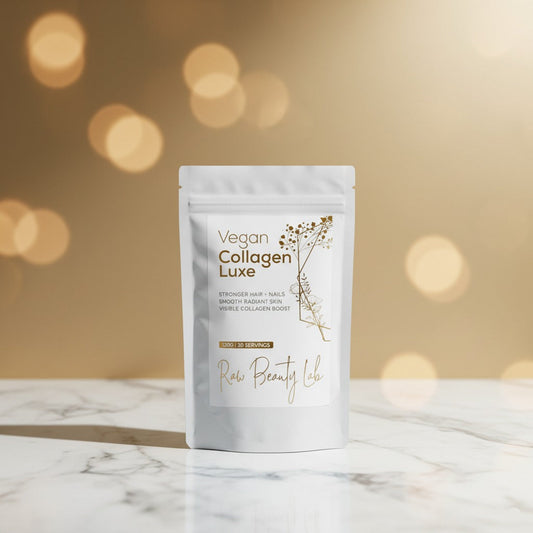
Try Vegan Collagen - Luxe for an extra boost in collagen production and skin elasticity.
Natural Retinol Alternatives
For those with sensitive skin, look for natural alternatives to retinol such as bakuchiol. It can deliver similar benefits in reducing fine lines and evening skin tone without the drying effects some experience with traditional retinol.
Adaptogens
Adaptogens such as ashwagandha and reishi mushroom support the skin's ability to cope with stress and fatigue, improving both its appearance and health.
Conclusion
Both hyaluronic acid and glycerin are skin care superheroes, offering a host of benefits that will leave your skin feeling youthful, hydrated, and radiant. The choice between the two depends largely on personal preference and your skin's specific needs. However, using both could create the ultimate hydrating cocktail, banishing dryness and beckoning balanced skin to the forefront.
Whether you're looking to lock in moisture, fight signs of aging with peptides, or explore other vegan skincare actives, embracing these ingredients will help elevate your skincare game. Simplicity, hydration, and that glow we all dream of are just a few steps away.
For more insights into vegan beauty and skincare solutions, visit Raw Beauty Lab.
[^1]: A. Pavicic et al., "Efficacy of cream-based novel formulations of hyaluronic acid of different molecular weights in anti-wrinkle treatment," Dermatology and Therapy, Vol 4, (2011).
[^2]: M. Fluhr et al., "Glycerol-containing Ophthalmic formulation enhances skin elasticity and protects against oxidative stress," Journal of Cosmetic Dermatology, Vol 7, Issue 1, (2008).