
Table of contents
In recent years, the skincare landscape has transformed dramatically, with consumers becoming more aware of what they put on their skin. At the heart of this shift lies the trend toward "non-toxic skincare" and the myths surrounding "clean beauty." But are these non-toxic skincare products truly safer, or are we navigating a labyrinth of greenwashing and misconceptions?
Understanding Clean Beauty Myths
The concept of clean beauty finds its roots in the desire for transparency and safety in skincare products. However, amidst the chaos of countless brands championing "clean" and "non-toxic," consumer confusion is at an all-time high. The truth is, the term "non-toxic" is not officially regulated. This means anyone can slap it on a label, regardless of the product's actual safety profile.
The myth that natural or "clean" ingredients are always safer than synthetic ones is persistent, despite scientific evidence suggesting otherwise. For instance, poison ivy is natural but hardly something you'd like to slather on your face. Many synthetic compounds have been studied extensively for their safety and efficacy. What's crucial is understanding which ingredients work best synergistically and are safe when formulated correctly.
Deciphering Greenwashing
Greenwashing refers to the act of companies misleading consumers into believing their products are environmentally friendly or safer through unsubstantiated claims. This marketing tactic capitalizes on the increasing demand for non-toxic skincare. A report from TerraChoice Group identified common greenwashing ploys, like using vague language without credible third-party certification.
Recognising greenwashing helps consumers make informed decisions. It's important to seek transparency in ingredient lists and to question claims that seem too good to be true. Checking for credible certifications or evidence-based claims can provide clarity amid a sea of marketing jargon.
The Skincare Truth: Ingredient Safety
At the core of the skincare safety debate is the idea that some ingredients are inherently risky. However, this notion lacks nuance. Ingredient safety hinges on concentration, usage, and individual skin sensitivities. What's harmful at high concentrations may be perfectly safe within regulated limits. For example, retinol is a powerhouse for anti-ageing yet can be overly irritating in high doses.
In Europe, stringent guidelines govern ingredient safety, ensuring any product on the market is tested and deemed safe for use. Consumers should focus on documented safety and efficacy, rather than labels like “non-toxic,” which can be misleading without context.
Vegan Collagen Facts

A fascinating trend within this movement is the rise of vegan collagen. Traditional collagen sources are animal-derived, raising ethical and sustainability concerns that resonate with the clean beauty community. But does vegan collagen deliver the same benefits?
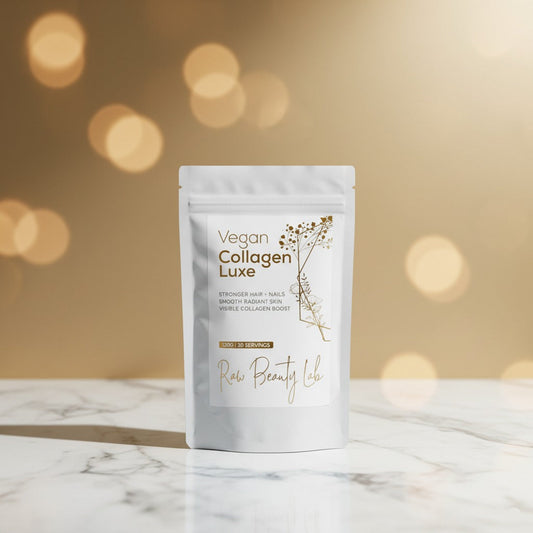
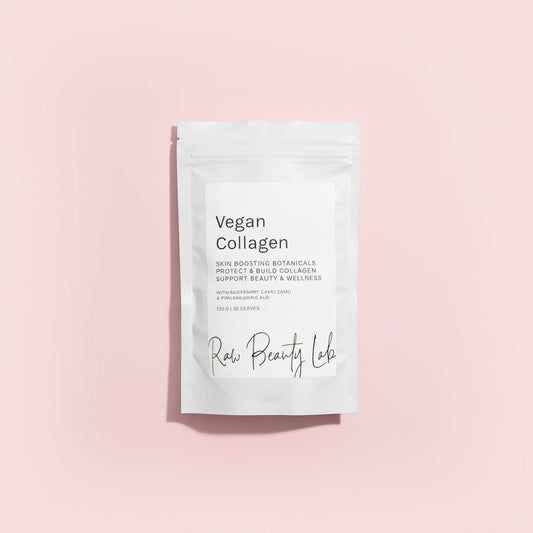
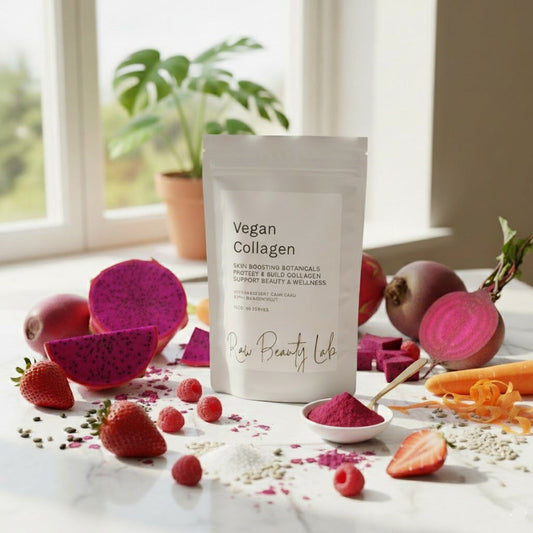
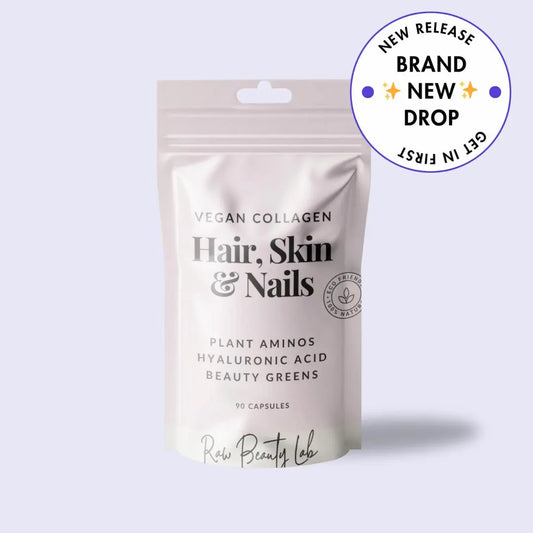
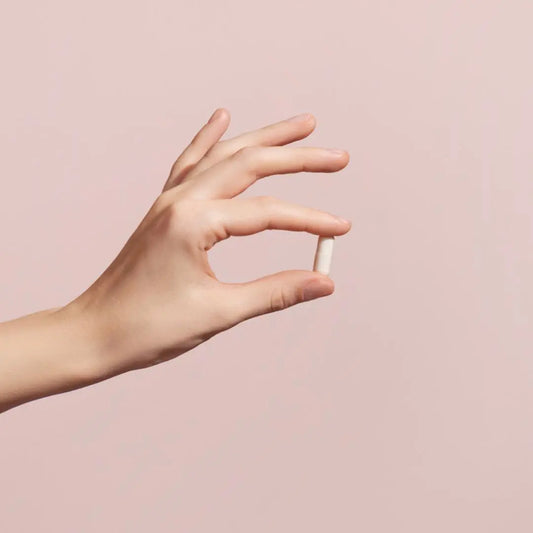
Vegan collagen products, like Vegan Collagen - Luxe, rely on plant-based ingredients to support the skin's collagen production. While these products do not contain collagen per se, they are formulated with constituents such as antioxidants and amino acids that can encourage the body's natural collagen synthesis. This nuanced understanding clears up the misconception that vegan collagens are ineffective simply because they aren't direct replacements.
Why Raw Beauty Lab Stands Out
Amidst the confusing narratives in the skincare world, Raw Beauty Lab (RBL) offers clarity and authenticity. We prioritise ingredient transparency and the science-backed benefits of our products. Our Vegan Collagen - Luxe, for example, is crafted with a clear understanding of ingredient interactions and skin benefits. By using key plant-derived ingredients to promote collagen production, we meet ethical standards without compromising on effectiveness.
Unlike many competitors, RBL avoids sweeping generalisations and "miracle" claims. We believe in empowering our customers with knowledge, helping them navigate the complex world of skincare with critical thinking and informed choices.
Our commitment extends beyond just marketing. We back our products with certifications and initiatives that align with our ethos. This is not just about selling skincare; it's about building a community grounded in trust and transparency.
Making Informed Skincare Choices
The journey to healthier, safer skincare is paved with education. As consumers, it's important to question, research and seek understanding, moving beyond the seductive allure of marketing slogans. Visit our website Raw Beauty Lab to explore how we innovate within the beauty industry by staying true to our principles.
Ultimately, the safety of non-toxic skincare products is less about labels and more about integrity, honesty, and scientific backing. As honest skincare advocates, let's cut through the noise, dispel the myths, and embrace what truly benefits our skin.
In the words of the smart editors here at RBL: The future of skincare should be guided by truth, not trends.