
Table of contents
When the conversation turns to skincare, "retinol" often steals the spotlight. Known for its remarkable benefits in fighting signs of aging, improving skin texture, and reducing blemishes, retinol is hailed as a golden standard in skincare. But what about those with sensitive skin or our vegan friends out there? That's where natural retinol alternatives come into play.
In a world brimming with skincare options, can natural retinol alternatives really hold a candle to traditional retinol? Let’s glow on and find out!
The Big Deal About Retinol
Retinol, a derivative of Vitamin A, is renowned for its anti-aging prowess. Thanks to its ability to boost cell turnover and stimulate collagen production, retinol helps in diminishing fine lines, smoothing out the skin surface, and improving overall complexion. However, its strength can also be its downside, often leading to irritation, redness, or dryness, especially for sensitive skin types.
Embracing Natural Retinol Alternatives
Fear not, 'natural' isn't synonymous with ineffective. Nature offers us several powerful ingredients that mimic the benefits of retinol—without the harsh side effects. Let's explore some rock stars in the world of natural retinol alternatives!
1. Bakuchiol: The Plant-Based Retinol
Promising results without the notorious redness, bakuchiol is a plant-derived phenol that has caught the attention of skincare enthusiasts. According to a 2018 study published in the British Journal of Dermatology, bakuchiol performed comparably to retinol in improving fine lines, wrinkles, and pigmentation – without the burning sensations many experience with retinol.
2. Rosehip Oil: A Vitamin-Rich Elixir
Packed with Vitamin A, C, and E, rosehip oil not only hydrates but also rejuvenates the skin. It’s a nourishing option for those seeking a gentler entry into retinol-like benefits. Its rich composition can help in fading scars and boosting your skin’s overall vitality.
3. Carrot Seed Oil: An Antioxidant Powerhouse
Carrot seed oil holds the key to radiant skin with its high antioxidant content. It's believed to stimulate cell regeneration and repair, offering anti-aging benefits reminiscent of traditional retinol. Plus, its skin-nourishing properties are impressive enough to tempt anyone into adding this oil to their regimen.
How Do They Compare?
While traditional retinol is potent, natural alternatives provide a more skin-friendly approach without the potential irritation. They're also perfect for the vegan skincare aficionado checking for vegan skincare actives. The choice ultimately depends on your skin's tolerance and your preference for natural or plant-based ingredients.
Vitamin C Skin Benefits: A Companion to Retinol
Before you set sail into the world of natural retinol alternatives, consider the renowned Vitamin C. Known for its brightening and collagen-boosting properties, Vitamin C pairs splendidly with retinol to create a powerhouse duo for fresh, glowing skin. It’s a dual-action plan: Vitamin C handles the brightening while natural retinol alternatives smooth and firm.
Peptides for Aging Skin

Another key player in the anti-aging game is peptides. By acting as building blocks for new collagen and elastin fibers, peptides help in maintaining the skin's firmness and elasticity. Incorporating peptides in your routine can bolster skin resilience, offering a firm handshake to any aging concerns.
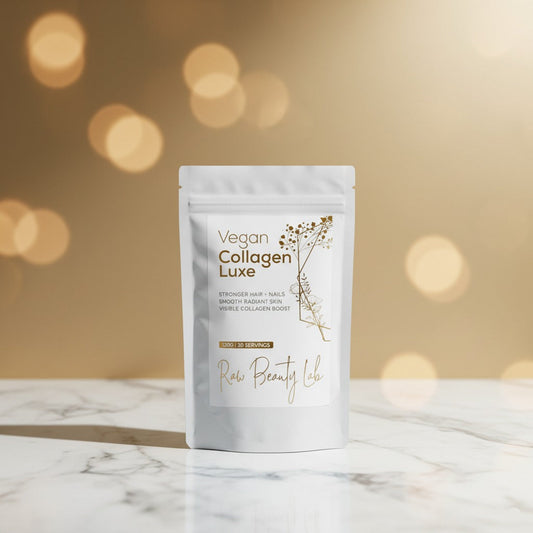
Discover the benefits of Vegan Collagen - Luxe to support skin's structure and elasticity, relying on the power of nature without compromising your vegan lifestyle.
Hyaluronic Acid vs Glycerin: Hydration Showdown
What makes skin glow more than a little moisture magic? Having a good understanding of hydrating agents like hyaluronic acid and glycerin helps in choosing what's best for your skin:
- Hyaluronic Acid: A superstar at holding moisture in the skin, it's like a glass of water for your face, plumping and hydrating with gusto.
- Glycerin: An unsung hero that works by drawing water from the air into your skin, forming a protective layer to keep it soft and supple.
Both ingredients ensure that your skin remains as dewy as morning dew. It's not about picking sides here; both can live harmoniously in your skincare routine to achieve that hydration glow.
Adaptogens for Skin: Stress Less, Glow More
Adaptogens like ashwagandha and reishi offer more than stress relief; they carry significant skin benefits. These magical botanicals help manage stress-induced skin conditions, balance sebum production, and keep your skin serene. Talk about chill vibes!
Conclusion: A Natural Glow Up
As the demand for gentler, more sustainable skincare rises, natural retinol alternatives are stepping up as major players. Whether you're opting for bakuchiol, carrot seed oil, or peptides, you don't have to compromise on effectiveness for gentleness. Embrace them with confidence, and remember, glowing, balanced skin is just a conscious choice away.
Curious to explore more about nature’s skincare wonders? Visit Raw Beauty Lab for products that harmonize the science of beauty with the powers of nature, ensuring your skin care aligns with your values and delivers just as much (if not more!) glow.
Let your skin rebel against the ordinary with these extraordinary natural retinol alternatives!