
Table of contents
Navigating the world of skincare can sometimes feel like wandering through a dense jungle without a map. With terms like "natural retinol alternatives," "vitamin C skin benefits," and "peptides for aging skin" thrown around, it's easy to feel a bit lost. But fear not! We're here to be your trusted guide in this beauty safari, breaking down these powerhouse ingredients so you can uncover which is best for your skin type and goals.
The Power of Vitamin C
First, let's give a standing ovation to Vitamin C, the skincare superstar that everyone (and their dermatologist) is raving about. Known for its remarkable antioxidant properties, Vitamin C is here to save your skin from the brutal clutches of pollution and UV damage, while also improving your complexion's radiance.
Vitamin C Skin Benefits
Here's the quick scoop: besides being a powerful antioxidant, Vitamin C helps brighten your skin, diminish the appearance of fine lines, and support your skin’s natural regeneration process. A 2017 study published in the Journal of Clinical and Aesthetic Dermatology confirmed that Vitamin C can significantly improve the appearance of aged and photodamaged skin.
By incorporating Vitamin C into your skincare routine, you'll unlock a world of dewiness and luminosity. Oh, and did we mention it helps with collagen production too? 🥰
Meet Natural Retinol Alternatives
Next, let's talk about nature's own retinol alternatives. Traditional retinol is known for its ability to speed up cell turnover and boost collagen production, giving you youthful skin that can make you want to snap selfies non-stop. However, retinol can be a bit harsh for those with sensitive skin, which is why we're turning our gaze towards natural alternatives.
Why Go Natural?
Natural retinol alternatives, such as bakuchiol and rosehip seed oil, offer similar benefits without irritation. A 2018 study published in the British Journal of Dermatology found that bakuchiol improved wrinkles and pigmentation with a much gentler touch than retinol. Talk about a win-win! By choosing natural alternatives, you can enjoy the benefits of boosted cell turnover and collagen synthesis without the redness or flakiness that retinol newbies often experience.
The Hydration Heroes: Hyaluronic Acid vs Glycerin
In the realm of hydration, two warriors stand out: Hyaluronic Acid and Glycerin. Like having to choose between a luxurious bath or a steamy shower – both are delightful, but slightly different experiences.
Hyaluronic Acid
Hyaluronic Acid is the big shot when it comes to locking in moisture. It can hold up to 1,000 times its weight in water, making it the perfect partner for plumping the skin and maintaining that dewy, youthful glow.
Glycerin
Meanwhile, Glycerin, nature’s own humectant, works by drawing moisture from the air and into your skin. It's fantastic for creating a smooth, hydrated barrier, making it a staple in your quest for healthy-looking skin.
Ultimately, whether you choose Hyaluronic Acid or Glycerin, both are fantastic for keeping your skin quenched and radiant.
Peptides for Aging Skin
Enter peptides, the unsung heroes of anti-aging skincare. Think of them as tiny building blocks that help shore up your skin's natural resilience. When applied topically, peptides send signals to your skin cells, encouraging them to produce more collagen and elastin.
A study in the International Journal of Cosmetic Science in 2019 showed significant improvements in skin elasticity and hydration with peptide application. So, if you're aiming for firmer, more youthful skin, peptides are your go-to squad!
Embrace Vegan Skincare Actives

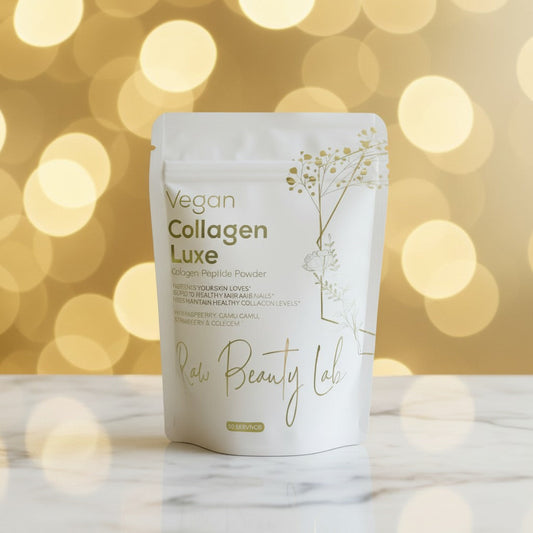
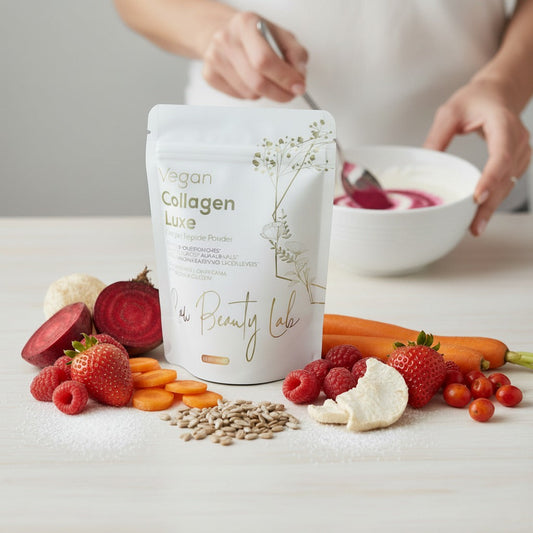
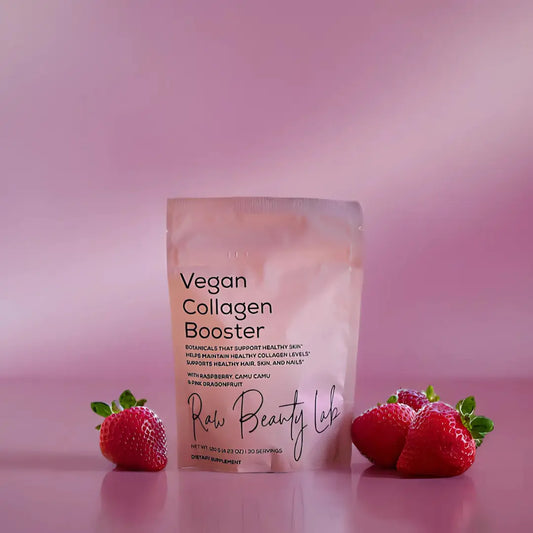
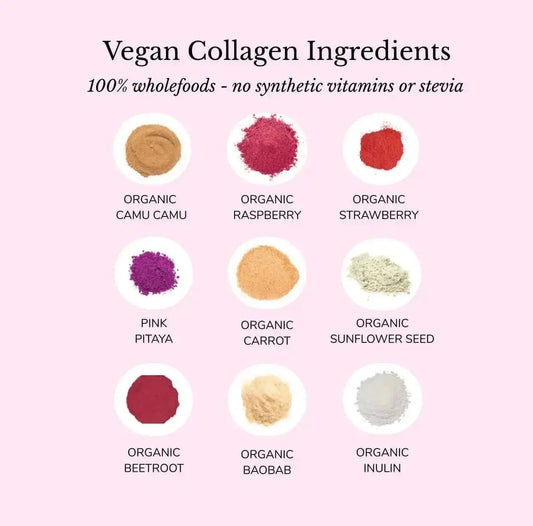
At Raw Beauty Lab, we believe in harnessing the power of nature in every step of your skincare journey. Our Vegan Collagen - Luxe is expertly crafted from plant-based actives to boost your skin’s collagen without any animal-derived ingredients. It's perfect for those seeking ethical yet effective skincare solutions.
Adaptogens for Skin
Just when you thought skincare couldn’t be any cooler – enter adaptogens! These are herbs and mushrooms that help your body adapt to stress, and they work wonders on your skin too. By reducing stress-related damage, adaptogens can help maintain your skin's youthful texture and elasticity.
For instance, reishi mushroom, an adaptogen, is known for enhancing the skin's resilience against environmental stressors. So it's like having a little herbal therapist for your skin!
Conclusion
To wrap up, both Vitamin C and natural retinol alternatives offer stellar benefits. Vitamin C is your ticket to bright, glowy skin, while natural retinol alternatives help with cell turnover and collagen production. Remember, glowing skin is just a few thoughtful steps away.
For hydration, both Hyaluronic Acid and Glycerin are excellent choices. If your mission is anti-aging, peptides are the powerful ally you're looking for. And for a holistic touch, don't overlook the power of vegan actives and adaptogens.
Whatever your skincare goals, remember to choose actives that align not only with your desired skin results but also with your values—whether that's clean beauty, veganism, or looking like you've just returned from a month-long beach vacation. Want more guidance on achieving balanced, healthy skin? Explore our offerings at Raw Beauty Lab, and embrace the natural route to radiant skin.
Let the journey to glowing skin begin! 🌟