
Table of contents
Welcome, radiant beauty enthusiasts, to another exploration of the exquisite world of skincare. Today, we're diving into the fascinating realm of natural retinol alternatives and peptides for aging skin. These are two hot contenders in the quest for youthful, glowing skin, but how do they stack up against each other? Let's walk through them, unpacking their benefits and understanding what makes them worthy of a spot in your skincare lineup.
The Quest for Youthful Skin
In our perpetual pursuit of timeless beauty, the right skincare actives can make all the difference. Two contenders have particularly caught our attention: natural retinol alternatives and peptides. Both promise to smooth wrinkles, enhance firmness, and keep your skin looking balanced and fresh. But which one should you choose, and why? Let’s break it down.
Natural Retinol Alternatives
What Are They?
Natural retinol alternatives have emerged as a gentler option for those seeking the miraculous anti-aging effects of retinol without the sensitivity often associated with it. Think of them as the plant-based, vegan cousin to traditional retinol. These alternatives, like rosehip oil, bakuchiol, and sea buckthorn, are packed with vitamin A and other nutrients that deliver similar results but with a softer touch.
The Science Behind Their Magic

While retinol works wonders by stimulating collagen production, it can sometimes lead to irritation. Enter natural retinol alternatives, which research suggests can be just as effective without the redness and peeling. For instance, a 2014 study published in the British Journal of Dermatology highlighted how bakuchiol, when applied twice daily, produced similar effects to retinol in reducing fine lines and improving overall skin tone.
So, if you’re in search of vegan skincare actives that are kind to the skin, natural retinol alternatives offer a compelling choice. They promote a smooth, glowing complexion without the fuss.
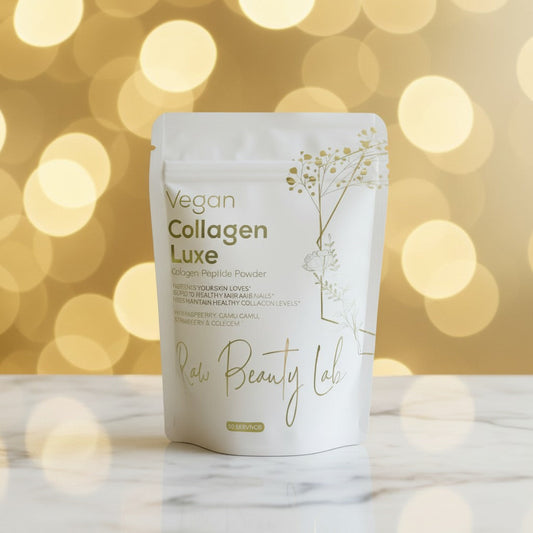
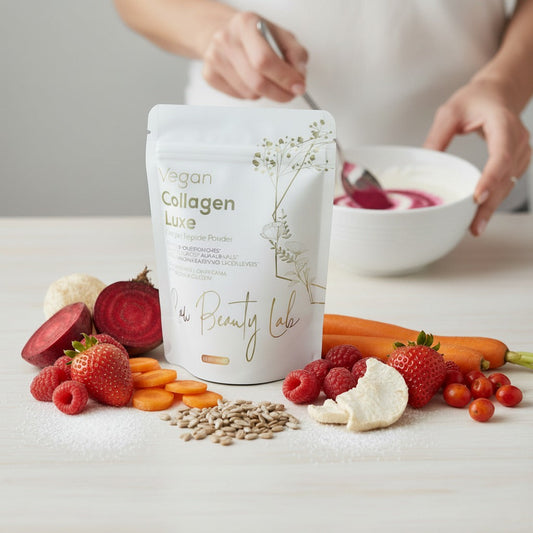
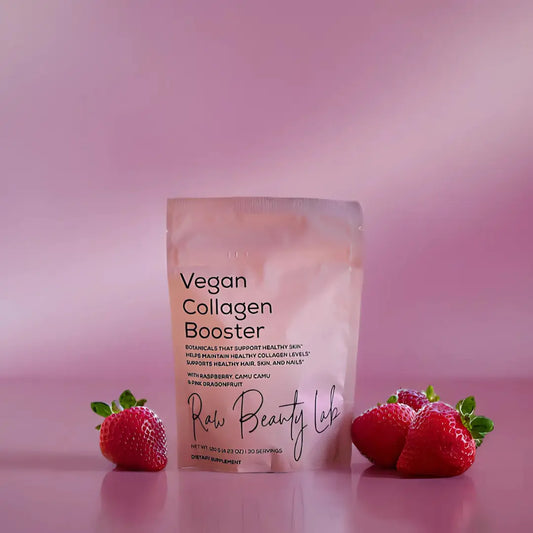
Discover Vegan Collagen - Luxe for a perfect complement to nature's best retinol substitutes, nourishing your skin from the inside out.
Peptides for Aging Skin
What Are They?
Peptides are like the little black dress of skincare—timeless, essential, and incredibly effective. These short chains of amino acids are the building blocks of proteins like collagen and elastin, which are crucial for maintaining firm, youthful skin.
The Science Behind Their Efficacy
Peptides signal the skin to produce more collagen, effectively telling your skin it's time to get back to its youthful ways. According to research published in the Journal of Clinical and Aesthetic Dermatology, peptides noticeably reduce the depth of wrinkles and enhance skin texture.
The beauty of peptides lies in their versatility; whether you're battling fine lines or just want that stay-all-day plumpness, peptides are your secret weapon to glowing skin.
Vitamin C, Hyaluronic Acid, and Glycerin: The Power Trio
No discussion on luminous skin is complete without mentioning the magic concoction of vitamin C, hyaluronic acid, and glycerin.
Vitamin C is your shine-enhancing beauty expert, known for brightening the skin, improving tone, and with its powerful antioxidant properties, combatting those pesky free radicals. It’s your go-to for an all-day glow.
Now, when it comes to the hyaluronic acid vs glycerin debate, here’s a quick scoop: Hyaluronic acid is a hydration powerhouse, able to hold a thousand times its weight in water, making it fantastic for plumping up the skin. Glycerin, on the other hand, is a bit of an unsung hero. It's deeply hydrating, locks in moisture, and works marathon shifts to keep your skin happy and hydrated.
Adaptogens for Skin: An Extra Boost
Incorporating adaptogens into your skincare routine is like power yoga for your skin. Adaptogens such as ashwagandha and reishi mushroom stabilize and buffer the effects of stress—those lurking saboteurs of radiant skin. Adaptogens support skin resilience, ensuring it remains balanced and harmonious amidst life's chaos.
Conclusion: Choosing What’s Best for You
When it comes to choosing between natural retinol alternatives and peptides, there’s no one-size-fits-all answer. It ultimately hinges on your skin type, needs, and sensitivity.
- For Sensitive Skin: Opt for natural retinol alternatives.
- For Firming Needs: Peptides might just be your new best friend.
Whichever you choose, remember that a well-rounded routine should include robust ingredients like vitamin C, hyaluronic acid, glycerin, and even adaptogens. Pair your choice of active ingredients with a hydrating and nourishing moisturizer like Vegan Collagen - Luxe for maximal impact.
Explore the wonderful world of Raw Beauty Lab for more insights into elevating your skincare game with scientifically-backed, plant-powered solutions.
In the end, whatever choice you make, rest assured you're on the path to vibrant, healthy skin—because every glowy goddess deserves nothing less!