
Table of contents
If you've been scrolling through beauty forums or scanning skincare labels, you've probably encountered the buzz around vitamin C. Billed as an elixir for all skin woes, it's often pegged as a 'must-have'. But is vitamin C really the glowing skincare hero it's touted to be? Today, we're peeling back the layers to demystify vitamin C skin benefits and explore how this wonder vitamin stacks up against other trending ingredients like hyaluronic acid, glycerin, and more.
The Science Behind Vitamin C
Let's dive right in. Vitamin C, or ascorbic acid, is a potent antioxidant. Antioxidants are like tiny superheroes that fight off free radicals—those pesky molecules that cause cellular damage, leading to premature aging. In simpler terms, vitamin C helps shield your skin from the environmental villains that dull your glow.
According to a study published in the Journal of Clinical and Aesthetic Dermatology, topical vitamin C can improve the appearance of fine lines, wrinkles, and overall skin texture. [^1] It promotes collagen production, which is crucial for maintaining firm and bouncy skin. So, if you’re aspiring for that youthful, dewy look, vitamin C might just be your next skin savior.
Hyaluronic Acid vs. Glycerin: Friends or Foes?
In the realm of hydrating skincare, hyaluronic acid and glycerin are at the top of the game. But how do they compare, and why should you care?
Hyaluronic acid holds up to 1,000 times its weight in water, making it a hydration heavyweight. It's great for plumping skin and smoothing out fine lines. On the other hand, glycerin acts as a humectant, drawing moisture from the environment and into your skin.
Both are fabulous, but if your skin's a desert yearning for moisture, think of them as your dynamic duo. Layering vitamin C with hyaluronic acid or glycerin can give you that ambrosial glow without the sticky aftermath.
Natural Retinol Alternatives to Consider
While retinol is renowned for its age-fighting prowess, it's not always everybody's cup of tea, particularly if you have sensitive skin. Enter natural retinol alternatives like Bakuchiol, which can also promote cell turnover and collagen production sans the irritation.
Interestingly, combining these natural alternatives with a vitamin C regimen can amplify results, giving you smoother skin over time.
The Power of Peptides for Aging Skin

Who wouldn't want to turn back the clock on aging skin? Peptides are chains of amino acids—the building blocks of proteins like collagen and elastin. They signal your skin to produce more collagen, effectively firming up sagging skin.
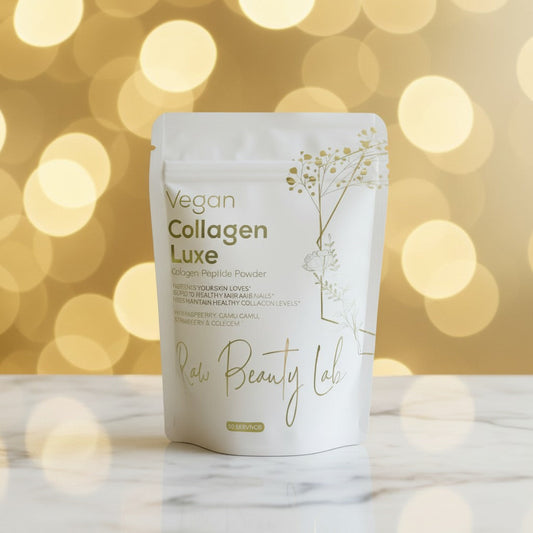
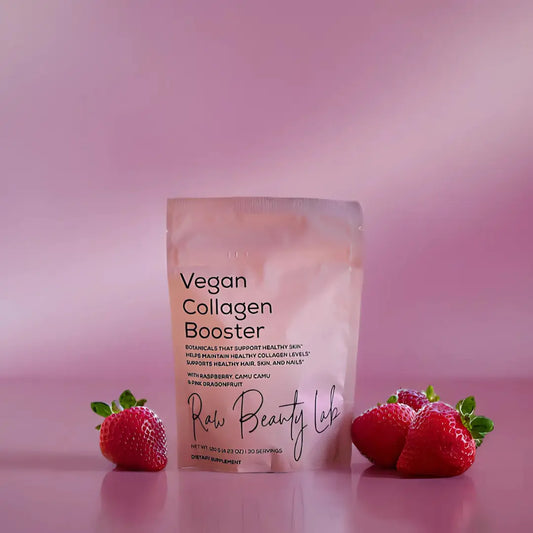
Incorporating vitamin C alongside peptides can bolster the skin's natural repair process. Products like Vegan Collagen - Luxe tap into the power of these peptides for an added layer of nourishment.
Vegan Skincare Actives: A Greener Choice
For those who adhere to a plant-based lifestyle, fear not. Vitamin C fits comfortably into a vegan skincare routine. Plus, many vitamin C serums are formulated with other vegan-friendly actives. Look out for brands that prioritize ethics, ensuring your glowing skin isn’t at the expense of our furry friends.
Adaptogens for Skin: Stress Less, Glow More
Ever heard of adaptogens? These naturally occurring substances help the body adapt to stress, so it stands to reason they could do wonders for stress-prone skin. Incorporating adaptogens like ashwagandha and rhodiola in skincare can help maintain a calm, balanced complexion.
When layered with vitamin C, these ingredients can help you combat oxidative stress with aplomb, leaving your skin balanced and radiant.
In Conclusion: The Verdict on Vitamin C
Is vitamin C overhyped, or is it a real game-changer? Based on the science and countless glowing reviews (pun intended), vitamin C reigns supreme as a staple in any savvy woman's beauty arsenal. Pair it with complementary ingredients like hyaluronic acid, glycerin, peptides, and adaptogens, and you've got yourself a recipe for radiant skin.
Curious to explore more skin-nourishing ingredients? Dive into our extensive product range, designed to support your skin's needs through luxurious vegan formulas.
Happy glowing!
[^1]: Telang, P. S. (2013). Vitamin C in dermatology. Indian Dermatol Online J. 4(2), 143–146.